How Much Is My Antique Furniture Worth?
How much is my antique furniture worth? It depends on age, maker, style, condition and, more than people expect, on how hard the piece is to move. A small signed table can outsell a huge carved sideboard. The good news is that furniture carries its own evidence: drawers, backs and undersides tell you a lot once you know where to look.
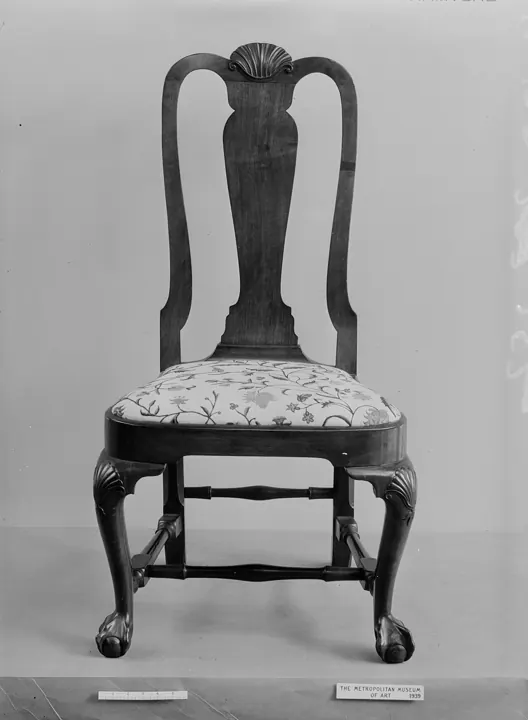
What drives the value of furniture
- Maker and style. Documented makers and wanted styles sell. Mid-century modern pieces from known designers and Arts and Crafts pieces from known workshops have strong followings.
- Age and originality. An older piece with its original parts and surface is worth more than the same piece with replaced hardware, new legs or a stripped finish.
- Condition. Loose joints, veneer loss, water rings, missing moldings and pest damage all lower value.
- Size and practicality. Pieces that fit modern homes (small chests, side tables, chairs) sell faster than big dining sets, armoires and china cabinets.
- Demand. Traditional "brown furniture" (heavy dark Victorian and later reproduction styles) has softened in recent years, while some mid-century pieces sell well.
Age clues you can check yourself
Pull out a drawer, turn it over and look at the back panel. Check several clues together; one alone can mislead, because pieces get repaired and some makers used old methods long after newer ones arrived.
Dovetails
Dovetails are the interlocking joints at drawer corners. Hand-cut dovetails are usually few, slightly uneven and have narrow pins, and you may see faint scribe lines the maker scratched as a guide. Machine-cut dovetails are many, evenly spaced and identical, and they became standard later in the 1800s. A "pin and scallop" joint, with round pegs set in half-circle cutouts, is typical of machine work from the late 1800s.
Saw and tool marks
Straight, parallel saw marks on unfinished boards point to an older hand or up-and-down saw. Curved arc marks come from a circular saw, which became common in the 1800s. Slight ripples from a hand plane on drawer bottoms and backs also suggest earlier, hand-finished work.
Screws, nails and hardware
Early handmade screws have uneven threads, blunt ends and off-center slots. Pointed, machine-made screws came later in the 1800s, and Phillips-head screws point to the 20th century. Square cut nails are generally older than round wire nails. Look for extra holes or "ghost" outlines behind pulls; they mean the hardware was changed.
Wood movement and finish
Solid wood shrinks across the grain over many decades, so a round tabletop may measure slightly oval. Old finishes are often shellac, which softens with a drop of denatured alcohol on a hidden spot; many later factory finishes are lacquer or varnish. Plywood and particleboard on backs and drawer bottoms point to the 20th century.
Maker labels and marks
Check inside drawers, on the back, under the seat or top, and inside doors. You may find a paper label, a stencil, a burned-in brand or a metal tag. Examples people look for include the Gustav Stickley joiner's compass mark, Herman Miller and Knoll labels, and Heywood-Wakefield stamps. Write down every word and number. A label adds real value only when it fits the construction and style; labels and stamps can be faked, and paper labels can fall off a genuine piece.
Upload a photo and get a likely identification and a value range.
Rough price bands
These are rough asking-price bands you will commonly see on marketplaces. They reflect general market patterns for age, maker, style, condition and size, not any specific sale. Sold prices are usually lower than asking prices, and local pickup prices often differ from shipped prices, so check sold listings near you for similar pieces.
| Type | Typical asking range |
|---|---|
| Common older pieces, unknown maker | $50 to $300 |
| Large traditional sets (dining room, bedroom) | $200 to $1,000 for the set |
| Better makers, wanted styles, good original condition | $300 to $2,000 |
| Documented makers, designer pieces, early and rare work | $2,000 to well into five figures |
Refinishing, repairs and the original surface
For fine early furniture, an original finish with honest wear is worth more than a fresh refinish, and stripping can cut the value sharply. For ordinary pieces the difference is smaller, and a clean, sound refinish can help them sell. If you think a piece might be early or by a known maker, do not refinish, paint or replace hardware before getting an opinion. Gentle cleaning is fine.
Why size and shipping change the price
Furniture is expensive to move. Freight for a large piece across the country can cost more than the piece is worth, which pushes many sales to local buyers only. That limits the pool and lowers prices for bulky items. Smaller pieces that ship easily reach more buyers. When you compare prices, compare against pieces sold in your region or with similar shipping terms.
Photo tips for a better estimate
- Photograph the whole piece straight on, then from a three-quarter angle, in good daylight.
- Pull out a drawer and photograph the corner joint up close.
- Photograph the back panel and the underside, where tool marks and labels show.
- Get a close shot of hardware and any label, stamp or tag.
- Show damage clearly, and note the dimensions (height, width, depth).
Our how we estimate page explains what a photo can and cannot show.
When to get a professional appraisal
Get a formal appraisal for insurance, estate settlement or donation, and whenever you see signs of an important piece: a known maker's label, hand-cut joinery with an original finish, or a design you recognize from a major designer. Look for a credentialed appraiser who belongs to a recognized appraisal society and works to the USPAP standard, with furniture as a listed specialty. If the piece came with dishes and silver, see our china and porcelain guide.
Questions people ask
How can I tell if my furniture is antique?
Check drawer joints, saw marks, screws and the back panel together. Hand-cut dovetails, straight saw marks, irregular screws and solid wood all point to an earlier date. Plywood and Phillips screws point to the 20th century.
Does refinishing lower the value of antique furniture?
For fine early pieces it often does, sometimes by a lot. For ordinary furniture the effect is smaller.
Why won't anyone buy my dining room set?
Large traditional sets are hard to move and fit fewer modern homes, so demand is low. Selling locally, or splitting chairs from the table, sometimes helps.
What does a paper label inside a drawer mean?
It may name the maker or the store that sold it. Write down everything on it, then check that the construction and style match that maker.
Is mid-century modern furniture worth more than older antiques?
Sometimes. Pieces by known designers and makers often sell well, while ordinary mid-century furniture is priced like any other used furniture.