How Much Is My Silverware Worth?
How much is my silverware worth? The first question is whether it is sterling or silverplate, because that one answer can move the value from a few dollars to several hundred or more. After that come the maker, the pattern, the weight and the condition. Here is how to sort it out at the kitchen table.
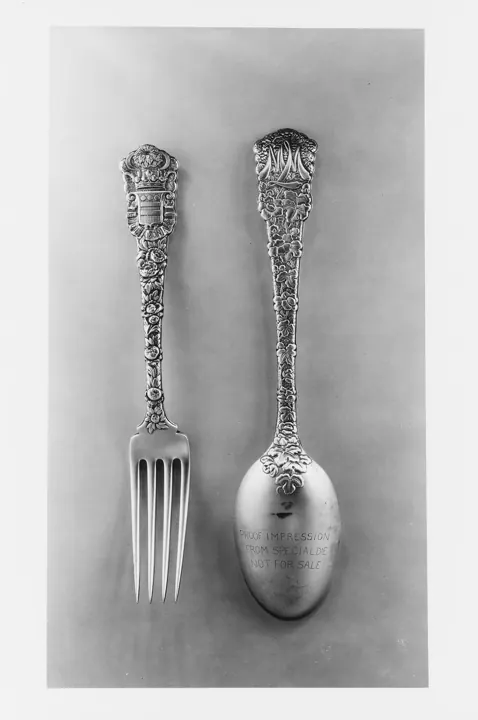
Sterling or silverplate: the big split
Sterling silver is 92.5% silver. A sterling fork is silver all the way through, so it has a built-in floor value based on its weight.
Silverplate is a thin layer of silver over a base metal, usually a copper and nickel alloy. The silver layer is so thin that it adds almost nothing in metal value. Plated pieces are priced on looks, pattern and demand, and most sell for modest amounts.
A quick at-home check: plated pieces often show a yellowish or coppery base metal where the plating has worn through, usually on the backs of spoons and the tips of forks. Sterling wears down but stays the same silver color.
How to read the marks
Look on the back of handles with a magnifying glass or your phone camera zoomed in.
- "Sterling" or "925." These mean sterling. American makers have stamped "Sterling" on flatware since the second half of the 1800s.
- "Coin." Older American silver, mostly from before sterling became the standard, is often marked "Coin" and is usually about 90% silver.
- British hallmarks. A walking lion (the lion passant) marks English sterling. It usually appears with a town mark, a date letter and a maker's mark, which together can date a piece to a specific year.
- Silverplate marks. "EPNS" (electroplated nickel silver), "Silver Plate," "Triple Plate," "Quadruple Plate," "A1" and names like "1847 Rogers Bros." all point to plate.
- "Nickel Silver" or "German Silver." Despite the name, these alloys contain no silver.
Makers worth noting on American sterling include Gorham, Reed & Barton, Towle, Wallace, International, Kirk Stieff and Tiffany. Georg Jensen is the name most people know among Danish makers.
Melt value, explained
Melt value is the floor for sterling: what the silver itself is worth if the piece were scrapped. You can work it out yourself.
- Weigh the solid sterling pieces in grams on a kitchen scale.
- Multiply by 0.925 to get grams of pure silver.
- Divide by 31.1 to convert grams to troy ounces.
- Multiply by the current silver spot price. Check today's spot price on any major financial or bullion site, because it changes daily.
Two cautions. First, sterling knives usually have hollow handles filled with a cement-like material and a stainless steel blade, so most of their weight is not silver. Leave them out of the melt math or count only a small fraction. The same goes for "weighted" candlesticks and some serving pieces. Second, refiners and buyers pay less than full spot, so melt value is a ceiling on what a scrap buyer will offer, not a sale price.
Rough price bands
These are rough asking-price bands you will commonly see on marketplaces. They reflect general market patterns for metal content, maker, pattern and condition, not any specific sale. Sold prices are usually lower than asking prices, so look at sold listings for your exact pattern before deciding.
| Type | Typical asking range |
|---|---|
| Silverplate flatware, per piece | $1 to $10 |
| Silverplate set in a chest | $20 to $150 |
| Common sterling patterns | Around melt value to modestly above |
| Wanted sterling patterns and better makers | Clearly above melt; full services can reach the thousands |
| Rare serving pieces, early or designer silver | $100 to several thousand per piece |
Because sterling tracks the silver market, its asking prices move up and down with spot. Plate does not.
Upload a photo and get a likely identification and a value range.
Flatware sets: what helps and what hurts
A complete service for 8 or 12 in one pattern is easier to sell than a mixed drawer. Unusual serving pieces (pie servers, ladles, cold meat forks, sugar tongs) often draw more interest than another dinner fork. Monograms lower the price for most buyers unless the initials happen to match theirs. Deep scratches, bent tines and heavy dents hurt; normal light wear and tarnish do not, since buyers expect to polish.
Do not over-polish before selling. Aggressive polishing can remove detail and leave swirl marks. A gentle clean is enough.
Photo tips for a better estimate
- Photograph the marks up close and in focus. Angle the light so the stamped letters cast a small shadow.
- Lay out one of each piece type on a plain background so the pattern is visible.
- Include a count of each piece type in your notes, and mention the total weight if you have a scale.
- Show wear: the backs of spoons and the tips of forks tell the story of plate versus sterling.
Our how we estimate page explains what the estimator can and cannot tell from a photo.
When to get a professional appraisal
Get a formal appraisal when you need a written value for insurance or an estate, when you have a large sterling service from a known maker, or when you find early hallmarked pieces or designer silver. Look for a credentialed appraiser who belongs to a recognized appraisal society and works to the USPAP standard, with silver as a stated specialty. Silver often comes from the same cabinet as fine dinnerware; our china and porcelain guide covers that side.
Questions people ask
How can I tell if my silverware is real silver?
Look for "Sterling," "925" or a British lion mark. Marks like "EPNS," "Silver Plate" or "Triple Plate" mean plated. Worn spots showing a yellow or copper color also point to plate.
Is silverplate worth anything?
Usually a little. Silverplate has almost no metal value, so it sells on looks and pattern. Ornate older serving pieces do better than everyday flatware.
Should I sell sterling for scrap?
Only after checking the pattern. Many sets sell above melt to collectors and pattern matchers. Scrap is the fallback for damaged, monogrammed or unwanted pieces.
Why are sterling knives worth less than forks of the same size?
Most sterling knives have hollow handles filled with cement and a steel blade, so they contain far less silver than their weight suggests.
Does tarnish lower the value?
Not much. Buyers expect tarnish and can clean it. Damage like dents, bent tines and worn-through plating matters far more.