How Much Is My Glass Worth?
How much is my glass worth? It depends on what kind of glass it is, who made it, the pattern or design, and whether it is original or a later copy. Most household glass sells for small amounts, but some colors, makers and signed art pieces bring real money. The trick is knowing which features to check.
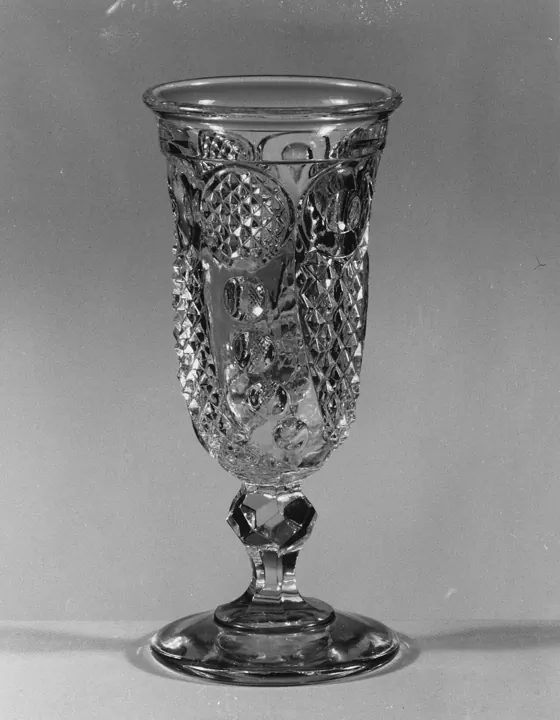
What drives the value of glass
- Type. Machine-made depression glass, pressed pattern glass, carnival glass, cut crystal and hand-blown art glass are separate markets with different buyers.
- Maker and pattern. Collectors buy by pattern name and maker. An identified pattern sells; an unidentified one sits.
- Color. Within one pattern, some colors are far scarcer than others, and price follows scarcity.
- Condition. Chips on rims and feet, cracks, and cloudy "sick" glass that will not wash clean all lower value.
- Authenticity. Popular glass has been reproduced for decades. A copy is worth a fraction of the original.
The main kinds of glass you are likely to have
Depression glass is inexpensive machine-made glass from roughly the 1920s through the 1940s, in pink, green, amber, blue and clear. Makers include Anchor Hocking, Jeannette, Hazel-Atlas and Federal. You will often see mold seams and small bubbles, which are normal.
Carnival glass is pressed glass with an iridescent, oil-slick surface, made mostly in the early 1900s. Fenton, Northwood, Imperial and Millersburg are the names collectors look for. The base color is judged by holding the piece up to light; marigold (orange) is the most common.
Pressed pattern glass, often called EAPG (Early American Pattern Glass), was pressed into molds from the mid-1800s into the early 1900s. Patterns are many and values are mostly modest, with exceptions for rare forms and colors.
Cut crystal has patterns cut into the glass by a wheel, not molded. Cut edges feel sharp and crisp; molded "cut" patterns feel rounded. Heavy American cut glass from roughly 1880 to 1915 has its own collector market.
Art glass covers hand-made decorative pieces: Tiffany, Steuben, Loetz, Lalique, Daum, Gallé and Murano studios among many others. This is where the high values live, and also where most fake signatures are found.
Reading marks, pontils and seams
- Pontil marks. Hand-blown pieces were held on a rod during shaping. Where it broke off, you may see a rough scar or a ground and polished circle on the base. That points to hand work. Machine-made glass has no pontil.
- Mold seams. Thin raised lines running up the sides mean the piece was pressed or blown in a mold.
- Signatures. Art glass may be signed with an engraved, etched or acid-stamped name. Lalique pieces made before 1945 are typically marked "R. Lalique," while later pieces read "Lalique France." Signatures are easy to add, so the signature should match the quality of the piece.
- Maker marks on pressed glass. Northwood used an underlined N, sometimes in a circle. Fenton added a script logo starting in the 1970s. Many genuine older pieces carry no mark at all.
- Stickers. Paper labels from makers like Waterford, Fenton or Murano studios help, but they are easy to move between pieces.
Rough price bands
These are rough asking-price bands you will commonly see on marketplaces. They are based on general market patterns for type, maker, color and condition, not on any one sale. Sold prices are usually lower than asking prices, so check sold listings for your exact pattern and color.
| Type | Typical asking range |
|---|---|
| Common depression or pressed glass pieces | $5 to $30 |
| Better patterns, scarce colors, carnival glass | $20 to $150 |
| Quality cut crystal and named studio pieces | $50 to $400 |
| Signed art glass from major makers | Several hundred to several thousand |
Unsigned or unidentified art glass usually lands far lower than signed pieces from the same period.
Upload a photo and get a likely identification and a value range.
Watch for reproductions
Depression and carnival patterns have both been reproduced, sometimes in colors the original factory never made. Warning signs include:
- Blurry or shallow pattern detail compared with photos of known originals.
- Colors that look too bright or slightly off.
- A base with no wear at all, or wear that looks evenly sanded rather than random scratches from decades of use.
- Heavier or thicker glass than the original pattern is known for.
If a piece seems too rare to be sitting in a thrift store, compare it carefully with documented examples before pricing it as original.
Photo tips for a better estimate
- Shoot glass against a plain white or light gray background, not a busy countertop.
- Use soft daylight from the side to show the pattern; avoid direct flash, which washes out detail.
- Photograph the base straight on to show any pontil, mark, signature or wear.
- For carnival glass, add one shot held up to light so the base color shows.
- Show any chips or cloudiness clearly.
See how we estimate for how photos turn into a value range.
When to get a professional appraisal
Get an expert opinion when a piece carries a major art glass signature, when you need a written value for insurance or an estate, or when you have a large collection of one pattern. Look for a credentialed appraiser who belongs to a recognized appraisal society and works to the USPAP standard, ideally with glass as a specialty. Glass often turns up alongside dinnerware, so our china and porcelain guide may help too.
Questions people ask
How do I know if my glass is depression glass?
Look for thin, machine-made glass in pastel colors with mold seams and tiny bubbles. Matching the pattern to a known depression glass pattern name is the best confirmation.
Does glowing under a blacklight mean my glass is valuable?
It means the glass contains uranium. Some uranium glass is collectible, but plenty of it is common and modern pieces glow too.
How can I tell crystal from regular glass?
Lead crystal tends to be heavier, clearer and more sparkly, and it often rings when lightly tapped. Cut patterns on crystal feel sharp rather than rounded.
Is cloudy glass worth less?
Yes. Cloudiness that will not wash off is etching inside the surface and lowers the value considerably.
What does a rough spot on the bottom mean?
A rough or polished circle on the base is often a pontil mark, a sign the piece was hand-blown rather than machine-made.