How Much Are My Toys and Collectibles Worth?
How much are my toys and collectibles worth? Start with three questions: what exactly is it, is it complete, and do you still have the original box or card? Collectors pay for specific toys in specific condition. A loose, played-with figure and the same figure sealed on its card can be worlds apart in price.
What drives toy values
- Exact identity. Line, character, year, variation and country of manufacture. Small differences (paint color, wheel type, card back) can split one toy into common and scarce versions.
- Original packaging. Boxes and cards were usually thrown away, so survivors carry a premium. Unopened packaging is worth the most; an opened box in good shape still adds value.
- Completeness. Weapons, accessories, instructions, inserts and inner packaging all count. Many vintage action figures lose much of their value without their small accessories.
- Condition. Paint loss, broken joints, sun fading, yellowing, rust, cracked plastic and loose limbs lower prices. Toys that still work (wind-ups, battery toys) sell better.
- Demand and nostalgia. Lines that adults grew up with and now collect, such as vintage Star Wars, G.I. Joe, Barbie, Hot Wheels and Transformers, have deep buyer pools.
How to identify what you have
Action figures
Look for a copyright line and company name on the back, the feet or the lower legs, such as a year and "Kenner" or "Hasbro". The year shown is often a copyright date for the mold or character, not the year that exact figure was made, so do not treat it as a production date. Vintage carded figures are also identified by the card back, which lists the other figures in the line.
Die-cast cars
Check the base for the brand, the model name and country. Early Hot Wheels from 1968 to 1977 with a red stripe on the tires are known as Redlines and are collected separately from later blackwall cars. Early Matchbox cars made in England carry "Lesney" on the base. Paint color variations and wheel types can change value a lot within one model.
Tin toys and wind-ups
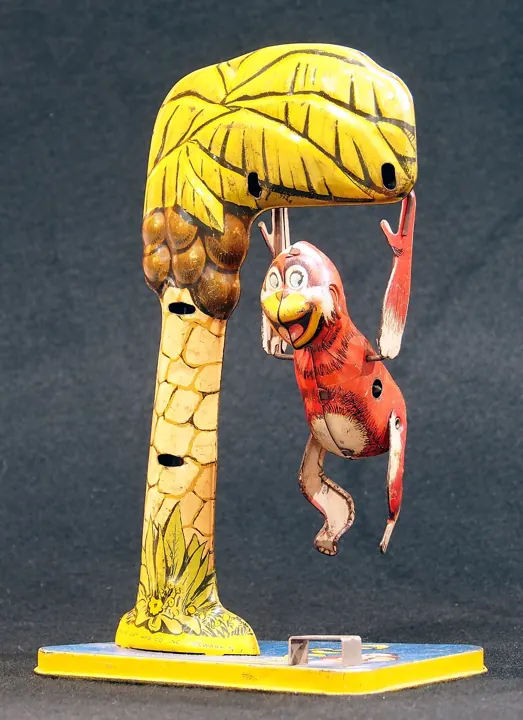
Lithographed tin toys often show a maker name or logo printed on the toy and a country of origin. "Made in Occupied Japan" marks pieces from roughly 1945 to 1952. Names like Marx, Chein and Wolverine show up on American tin. Keys, working mechanisms and bright, unscratched lithography matter most.
Trading cards, briefly
For sports and game cards, the set, year, card number and printing details decide which version you have. On early Pokemon cards, for example, a "1st Edition" stamp marks a different print run from unlimited cards. Corners, edges, surface and centering drive card condition, and small flaws matter far more than people expect.
Upload a photo and get a likely identification and a value range.
Watch for reproductions and fakes
Popular vintage toys have been reproduced for decades. Common warning signs:
- Cast iron banks and toys with rough casting, gaps where halves meet, or paint that looks too fresh.
- Tin toys with modern printing, plastic parts that do not fit the period, or no wear in places that should show it.
- Reproduction weapons and accessories for vintage figures, often with slightly different color or softer plastic.
- Resealed or reboxed packaging, and reprinted boxes and cards.
Reproduction accessories are sold openly to complete loose figures; that is fine, but a figure "complete" with repro parts sells for less than one with originals.
Rough asking-price bands
These are rough asking-price bands you will commonly see on marketplaces for common items in each group. They are based on general market patterns, condition and packaging, not on any specific sale. Sold prices are usually lower than asking prices, so search sold listings for your exact item before setting a price.
| Item | Typical condition | Rough asking band |
|---|---|---|
| Common modern die-cast cars | Loose or carded | $1 to $5 |
| Common 1980s and 1990s action figures | Loose, no accessories | $3 to $15 |
| Vintage action figures | Loose, complete with original accessories | $10 to $75 |
| Early Hot Wheels Redlines, common castings | Loose, played-with | $5 to $50 |
| Vintage tin wind-up toys | Working, no box | $20 to $150 |
| Vintage figures or toys | Sealed on card or in box | Often $100 to several hundred, more for scarce pieces |
For how the estimator builds a range and a confidence level, see how we estimate.
Photo tips for a better estimate
- Shoot the whole toy first, then each side, on a plain background.
- Photograph any markings: base of cars, backs of figures, feet, the bottom of tin toys.
- If there is a box or card, photograph the front, back and any price stickers or punched hangers.
- Lay out all accessories in one shot so completeness is clear.
- Show damage honestly: cracks, paint loss, rust, missing parts and box tears.
- For cards, take straight-on photos of front and back in even light, with no sleeve glare.
When to get expert help or grading
Professional grading is most common for trading cards. Third-party card graders assess condition and authenticity and seal the card in a holder, which can matter a lot for high-value cards. There are also grading services for sealed action figures and die-cast. Grading costs money, so it only makes sense when the item is clearly scarce or in exceptional condition. For a large collection or an estate, a toy specialist or an auction house that holds toy sales can sort the few valuable pieces from the many common ones.
If the collection came from an older house that also had dishes and glassware, our glass guide may help with the rest of the shelf.
Questions people ask
Are my old toys worth more in the box?
Usually, yes. Original packaging is scarce because most of it was thrown away. Sealed and unopened is best, but an opened original box in good shape still helps.
Should I open a sealed vintage toy to check it?
No. Opening it usually lowers the value sharply. Photograph it as it is.
Why are my 1990s toys not worth much?
Many 1990s toys were made in huge numbers and saved by collectors at the time, so supply is high. There are exceptions, but most sell for modest amounts.
Should I clean or repaint old toys?
Light dusting is fine. Repainting, heavy cleaning and replacing parts usually lower value. Collectors want original paint and parts.
Is it better to sell a collection as a lot or piece by piece?
Lots sell faster with less work. Separating out the better pieces and listing them alone usually brings more total money if you have the time.